The world of card games offers various formats that challenge players in different ways, but few matchups are as classic as draw poker versus community card poker. While both categories rely on the same fundamental hand rankings, they diverge dramatically in how information is shared and how strategies are executed. Understanding these differences can help you decide which style of play matches your personal strengths at the table.
The Hidden Nature of Draw Poker
Draw poker is characterized by complete secrecy, as players keep all of their dealt cards entirely hidden from their opponents throughout the hand. This format forces participants to rely heavily on physical tells, betting patterns, and psychological deduction rather than visible cards on the board. Players have opportunities to discard unwanted cards and draw replacements from the deck to improve their standing.
Because no cards are exposed, bluffing becomes an absolute art form where you must represent a hand purely through betting actions. Many beginners start with this style because of its simple rules and straightforward mechanics. Those looking to test their skills in virtual arenas often use a M88 Sport login to access competitive tables online.
The Shared Information of Community Card Poker
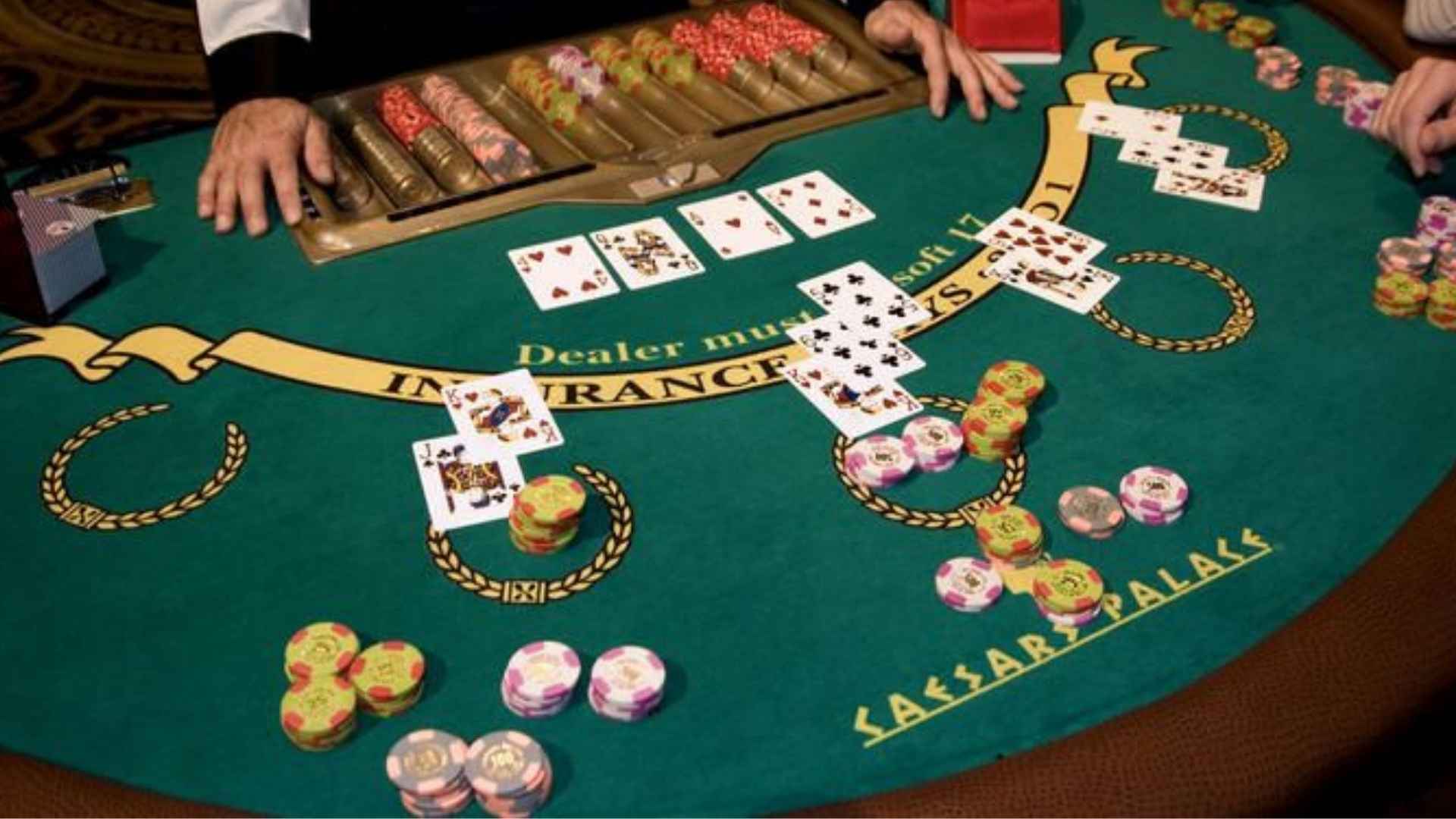
In contrast, community card poker utilizes a combination of private hole cards and shared cards dealt face-up in the center of the table. Games like Texas Hold'em and Omaha require players to construct their best hands using these public cards, which are visible to everyone. This structural element introduces a high level of mathematical transparency that alters how strategies are developed.
Since everyone can see the shared board, players can calculate exact mathematical probabilities and range their opponents with greater accuracy. This shifts the focus from pure psychological deception to complex strategic calculations and card tracking. The puzzle of figuring out what an opponent might have becomes a battle of logical deduction rather than complete guesswork.
Key Strategic Differences and Gameplay Flow
The fundamental strategy shifts from absolute mystery in draw games to calculated risk management in community card games. In draw poker, you must make critical decisions based on the number of cards your opponent chooses to discard. This simple action provides the only physical clue about the potential strength of their hidden hand.
Community card variants offer multiple rounds of betting after the flop, turn, and river are dealt, allowing the narrative of the hand to shift dynamically. This multi-layered betting structure creates deeper strategic options and larger pots as more information is revealed step by step. Players must constantly adapt to new cards hitting the board, making the game highly engaging over long sessions.
Choosing the Right Format for Your Playstyle
Deciding between these two legendary styles ultimately comes down to your personal preferences and psychological strengths as a player. If you enjoy total mystery, psychological warfare, and reading subtle human behaviors, draw variants will likely appeal to you. The simplicity of the gameplay allows you to focus almost entirely on the players sitting across from you.
On the other hand, if you prefer mathematical analysis, positional strategy, and complex probability calculations, community card poker is the superior choice. This style rewards deep study, patience, and the ability to navigate complex situations with shared information. Both formats offer rich, rewarding experiences that can dramatically improve your overall card-playing skills.