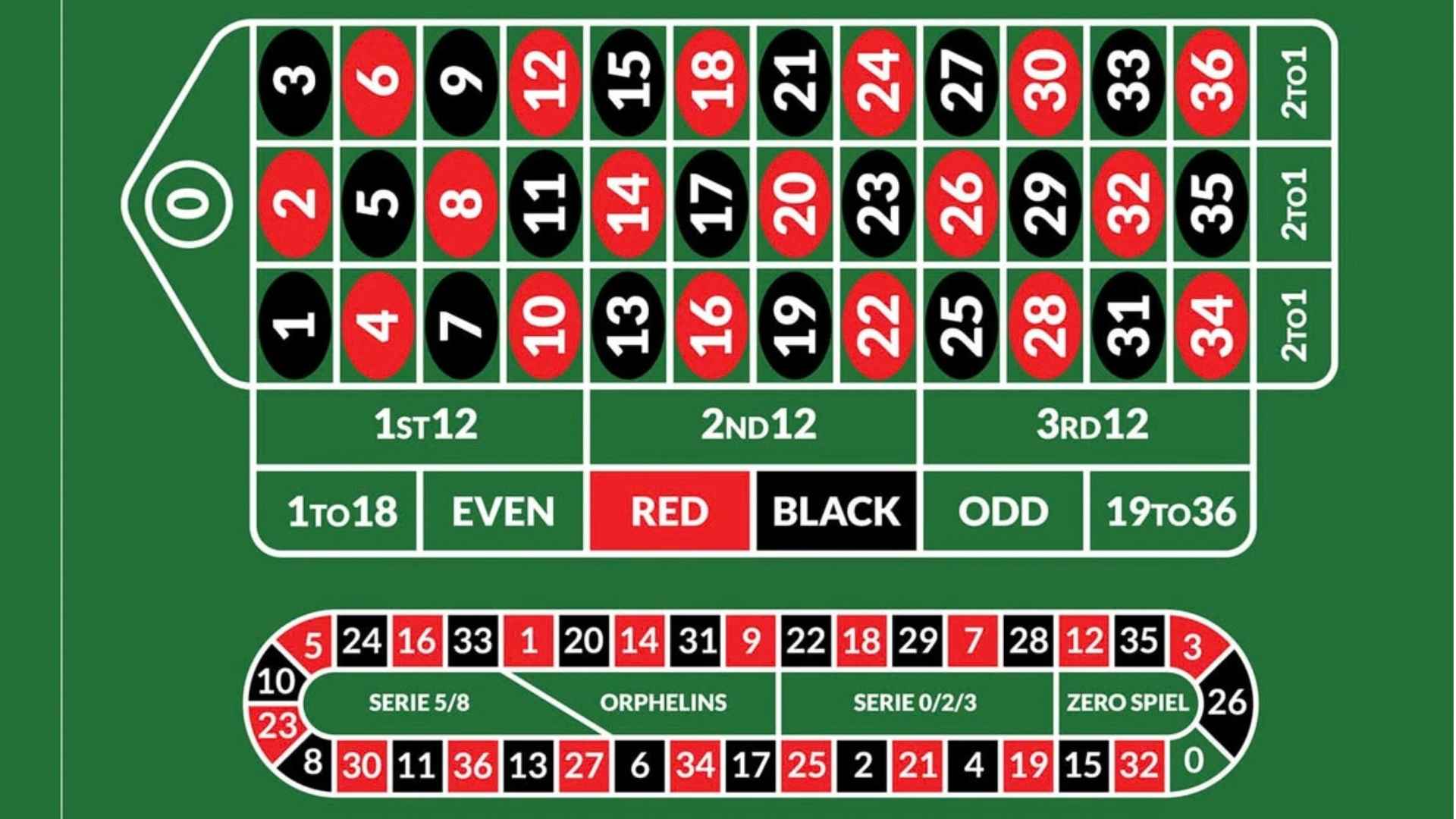
In probability theory and random number games, the concept of independent events plays a fundamental role in understanding how outcomes are determined. Many enthusiasts mistakenly assume that historical data influences upcoming results, creating patterns where none exist. Recognizing that each event occurs completely isolated from previous ones provides clarity and promotes a realistic perspective when analyzing digital entertainment mechanics.
The Mathematical Definition of Independent Events
An independent event is a scenario in probability where the outcome of one occurrence has zero effect on the probability of another occurrence. In modern random number games, every single draw resets the system back to its baseline parameters. Consequently, the odds assigned to any particular outcome remain identical regardless of what happened in earlier rounds.
Understanding this mathematical foundation prevents individuals from falling for common analytical missteps. Whether a specific digit has appeared multiple times or has not been drawn in a long while, its probability of being selected in the very next round remains entirely unchanged. Mathematical memory does not exist within random algorithms or physical draw mechanisms.
Deconstructing the Gambler's Fallacy
The belief that past results dictate future probability is widely known as the Gambler's Fallacy. People often feel that a certain outcome is "due" to happen simply because it has been absent for a long period. In reality, random processes do not compensate for past variance by altering future odds.
This cognitive bias often leads to flawed strategies based on tracking "hot" or "cold" digits. While historical charts display interesting visual distributions over time, they carry no predictive power for upcoming rounds. Acknowledging this psychological tendency helps participants stay grounded in objective mathematical principles.
How Technology Guarantees Random Resetting
Modern gaming platforms rely on sophisticated Random Number Generators (RNGs) to ensure absolute fairness and unpredictability. These digital algorithms execute complex calculations every millisecond to generate completely unbiased numeric outputs. Each algorithm run operates independently, ensuring no residual data carries over to the next draw.
Independent auditing firms regularly test and certify these algorithms to maintain strict compliance standards. This continuous oversight guarantees that every participant experiences a transparent environment where chance remains purely random. Trustworthy digital platforms prioritize these measures to safeguard session integrity for everyone.
Practical Mindsets for Responsible Engagement
Accepting the principle of independent events fosters a healthier, more informed approach to interactive entertainment. When individuals recognize that patterns are merely coincidental visual occurrences, they eliminate unnecessary pressure to predict unpredictable outcomes. This mindset places the focus firmly back on casual enjoyment and entertainment value.
Maintaining clear boundaries and personal limits becomes far easier when expectations are aligned with mathematical reality. Participating with a structured mindset ensures that sessions remain engaging and sustainable over the long term. Informed players value clarity and responsible entertainment above all else.